


Article #1
Medical Spas Lose Millions As Women Discover $200 Device That Delivers Professional LED Therapy at Home
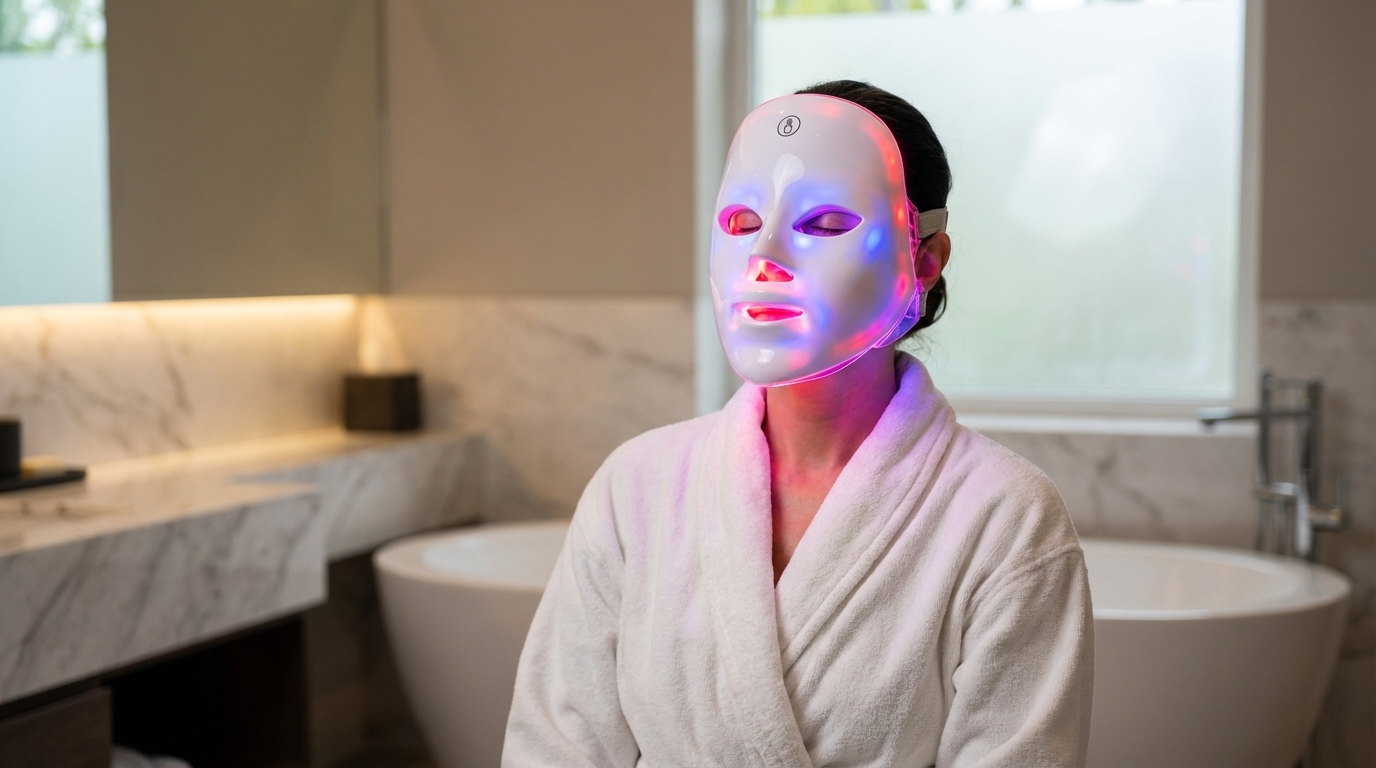
That morning, as she applied another layer of expensive serum that would inevitably disappoint, Jennifer felt a familiar wave of frustration. She'd researched professional treatments—laser resurfacing, chemical peels, regular LED therapy sessions at the local medical spa. But at $400-$600 per session, and needing treatments every month to maintain results, the annual cost would exceed $7,000. As a marketing director and mother of two, she simply couldn't justify that expense.
What Jennifer didn't know that morning was that in just three weeks, she'd discover a technology that would completely transform her skin—and her confidence. A technology that dermatologists had been using for years in their $500-per-hour appointments, but had never been truly accessible to women like her. Until now.
The $50 Billion Lie: Why Your Anti-Aging Creams Are Scientifically Incapable of Reducing Wrinkles
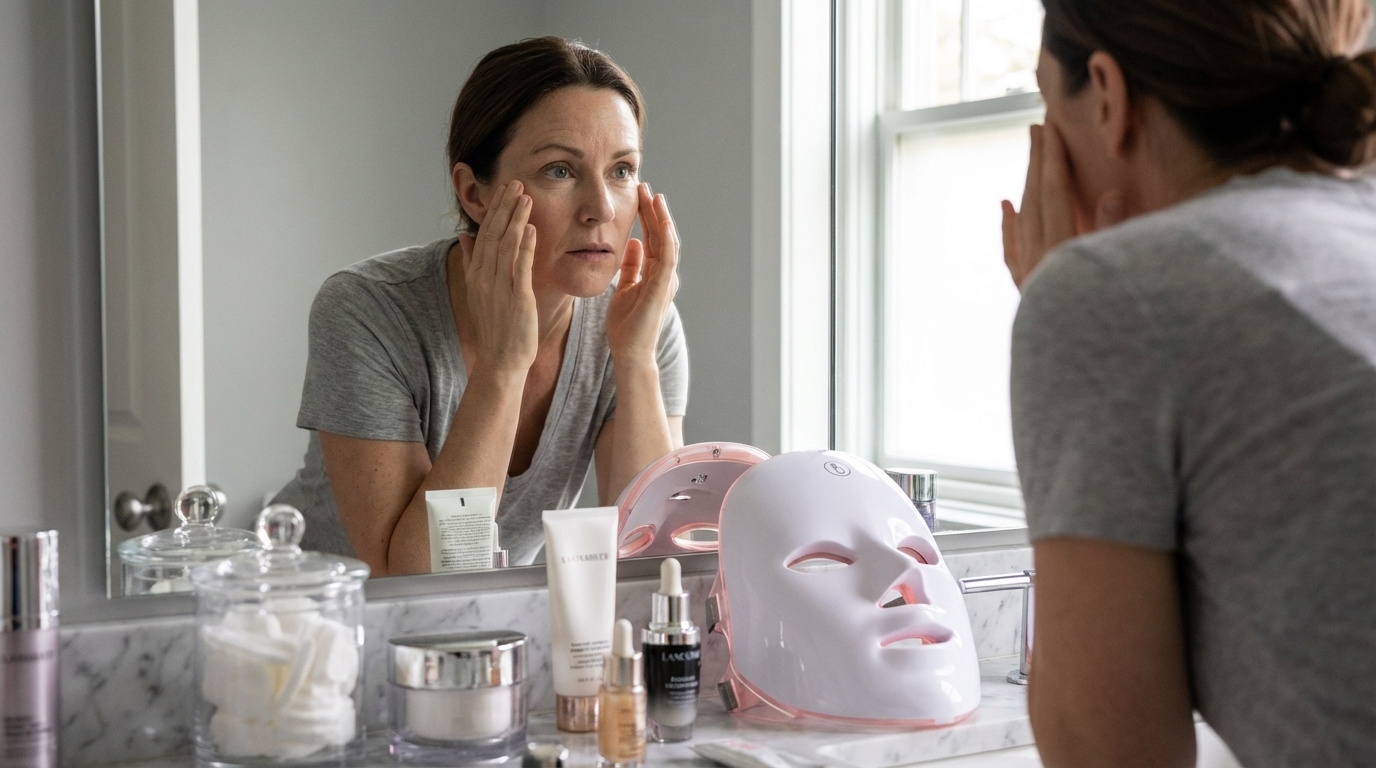
Wrinkles don't form on the surface of your skin. They form in the dermis layer, 1-4 millimeters deep, where collagen and elastin fibers break down over time. Topical creams, no matter how expensive or how many 'miracle ingredients' they contain, can only penetrate the top layer of skin—the epidermis. They literally cannot reach the dermis where aging actually happens.
Dr. Michael Stevens, a board-certified dermatologist with 20 years of experience, puts it bluntly: 'I've seen patients spend $5,000 annually on topical anti-aging products with zero measurable improvement in wrinkle depth or skin elasticity. It's the most profitable myth in skincare—selling hope in a jar when the science simply doesn't support surface-level intervention for deep wrinkles.'
Meanwhile, professional LED light therapy has been quietly delivering actual results in dermatology clinics for over a decade. The difference? Light wavelengths penetrate deep into the dermis layer, directly stimulating the cells that produce collagen and elastin. But at $400-$600 per session, with monthly appointments required for maintenance, it's remained accessible only to the wealthy—a $5,000 to $8,000 annual investment that most women simply cannot afford.
Until a small group of biomedical engineers asked a radical question: What if we could put professional-grade LED therapy technology into an affordable device for home use?
The NASA Technology That Changed Everything: How Photobiomodulation Became the Holy Grail of At-Home Anti-Aging
Dermatologists quickly realized the anti-aging potential. Red LED light at 600-700 nanometer wavelengths penetrates 1-2 millimeters into the dermis, directly reaching fibroblast cells—the 'factories' that produce collagen and elastin. When exposed to this specific wavelength, fibroblasts increase ATP (cellular energy) production by up to 400%, triggering a cascade of collagen synthesis. Essentially, your skin cells begin 'recharging' themselves, producing the structural proteins that had been declining with age.
Blue LED light at 400-500 nanometers targets a different enemy: acne-causing bacteria. It has antimicrobial properties that kill Propionibacterium acnes while reducing inflammation and oil production—addressing both current breakouts and preventing future scarring that contributes to aged appearance.
The real innovation came when researchers discovered that combining multiple wavelengths simultaneously—red, blue, green, yellow, and near-infrared—created synergistic effects. Each color targets different skin depths and concerns. Near-infrared wavelengths (around 1000+ nanometers) penetrate deepest, reaching subcutaneous tissue for the most pronounced wrinkle reduction.
By 2020, clinical studies showed that consistent LED light therapy produced measurable results: 30-50% reduction in fine lines, 25% improvement in skin elasticity, and visible texture refinement—all within 4-8 weeks of regular use. But there was still one massive barrier: the technology was locked behind $400-per-session clinic appointments.
That's when a team of biomedical engineers in California made a radical decision: engineer a medical-grade, multi-wavelength LED device that could deliver professional results at home—for less than the cost of a single dermatologist appointment.
Introducing the 7-Wavelength LED Face Mask: Professional Photobiomodulation Technology Now Available for At-Home Use
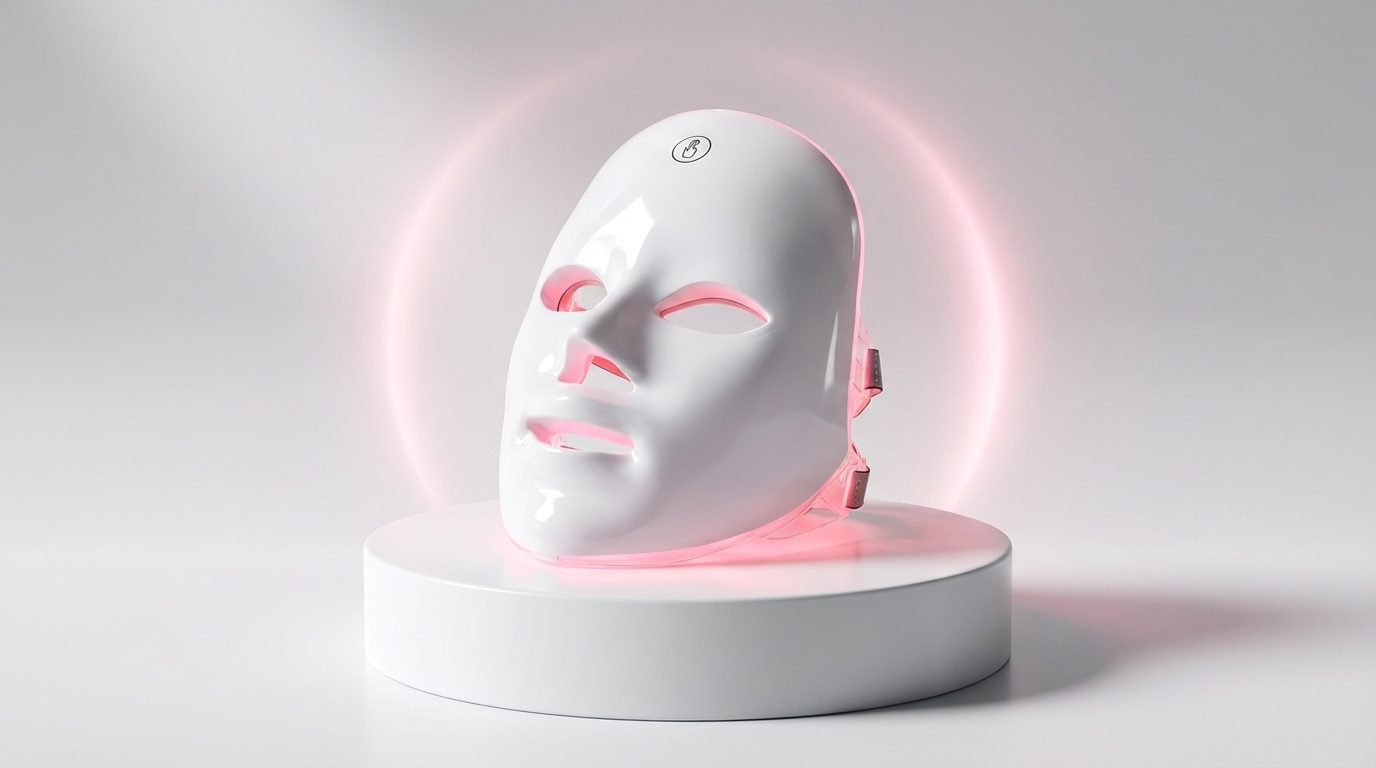
What makes this device different from the dozens of LED masks flooding the market? Three critical factors:
1. Seven Wavelength Spectrum Coverage: While basic LED masks use only 1-2 colors (usually just red), this device delivers seven distinct wavelengths—red (630nm), blue (465nm), green (520nm), yellow (590nm), purple (combination therapy), cyan (combination therapy), and near-infrared (850nm). Each wavelength penetrates to a different depth and triggers specific cellular responses. It's like having seven different professional treatments in one device.
2. Professional-Grade Power Output: The dirty secret of cheap LED masks is that they don't deliver sufficient light intensity to trigger photobiomodulation. This device uses medical-grade LEDs calibrated to deliver the exact power density (measured in mW/cm²) proven effective in clinical studies—the same intensity used in dermatology offices, not the watered-down versions sold at big-box retailers.
3. Veritace Quality Verification System: This proprietary technology ensures that each treatment session delivers precise wavelength accuracy and consistent power output. Cheap LED masks drift in wavelength as they age, rendering them ineffective. This system guarantees that session 100 is as effective as session 1.
The result? Users report visible improvements in as little as 14-21 days: reduced fine lines, improved skin firmness, more even tone, and that elusive 'glow' that expensive creams promise but never deliver. And unlike professional treatments that require monthly maintenance appointments at $400-$600 each, this device provides unlimited treatments for a one-time investment—less than the cost of a single clinic session.
Over 1.2 million people have already made the switch from expensive spa treatments to at-home LED therapy, and the market is growing at nearly 12% annually. The reason is simple: it works, and the economics are impossible to ignore.
Why Medical Professionals Are Now Recommending At-Home LED Therapy: The Clinical Evidence Is Overwhelming
LED light therapy is now FDA-cleared for treating multiple skin conditions: fine lines, wrinkles, hyperpigmentation, acne, sun damage, and wound healing. It's not alternative medicine—it's evidence-based dermatology backed by hundreds of peer-reviewed studies.
The North American market for LED face masks has exploded to over $250 million annually and is projected to reach $655 million by 2030—a growth rate of 11.9% per year. What's driving this surge? Results. Americans spend an average of $322 annually on skincare products, most of which deliver minimal results. LED therapy, by contrast, shows measurable improvement in clinical photography and biometric skin analysis.
Dr. Patricia Wong, a dermatologist practicing in Beverly Hills, recently told a medical conference: 'I used to see patients monthly for LED therapy at $500 per session. I'd recommend 12-16 sessions annually just for maintenance. Now I'm recommending quality at-home devices to patients who can't justify $6,000-$8,000 per year in appointments. The technology has finally reached a point where home devices can deliver 80-85% of the results of in-office treatments—and with consistent use, sometimes better results because patients use them more frequently than they'd schedule appointments.'
The key phrase is 'quality at-home devices.' Not all LED masks are created equal, and Dr. Wong emphasizes the importance of medical-grade specifications: proper wavelength calibration, sufficient power output, and quality control systems that ensure consistent performance over hundreds of uses.
The data doesn't lie: LED therapy is the fastest-growing segment of the professional skincare market, with the red-blue combination therapy (targeting both aging and acne simultaneously) growing at 13% annually—faster than any other aesthetic treatment category.
"I've seen the evolution of LED therapy over 15 years. Today's premium at-home devices deliver clinical-grade results that I couldn't have imagined possible outside a medical office just five years ago. For patients committed to consistent use, the results rival what I can do in-office—at a fraction of the lifetime cost."
— Dr. Patricia Wong, MD, Board-Certified Dermatologist, Beverly Hills Dermatology Institute
Real Women, Real Results: The 14-Day Transformation That's Going Viral
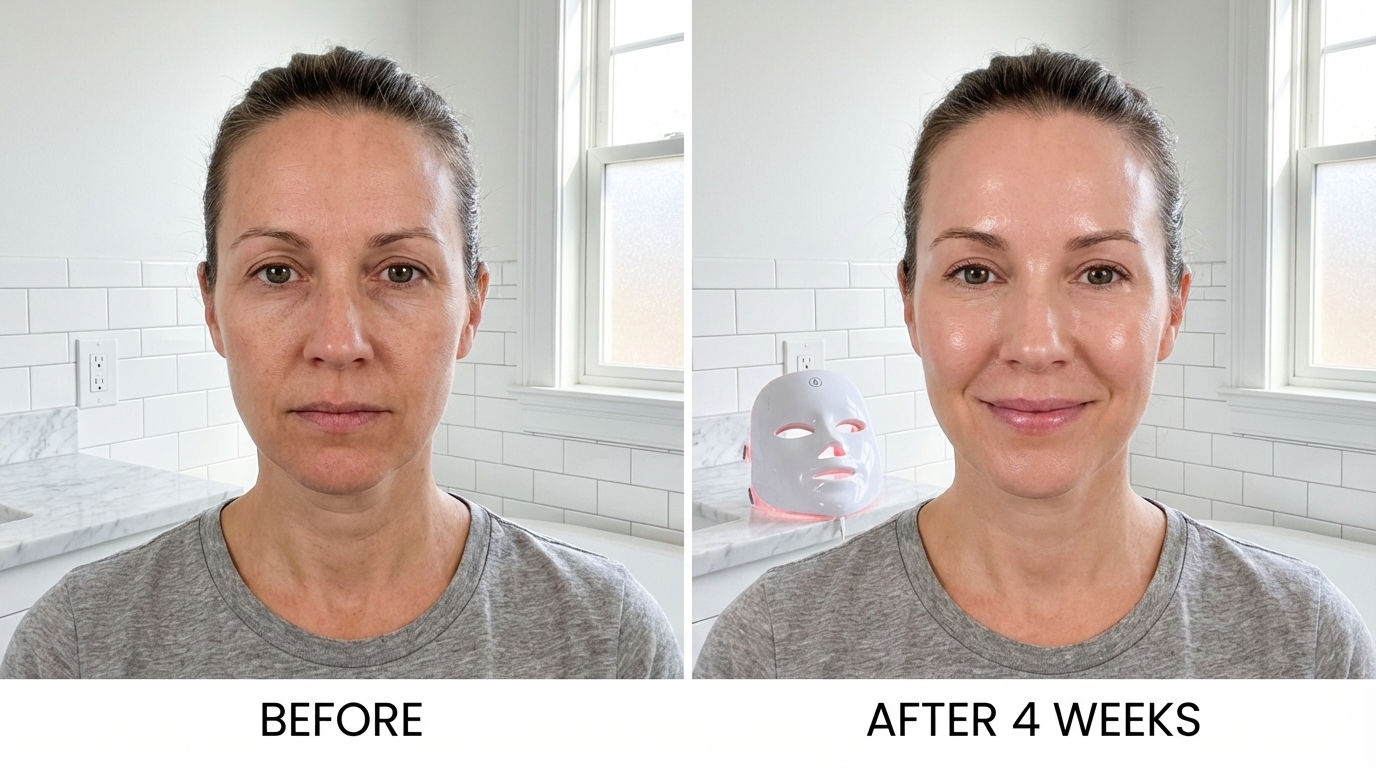
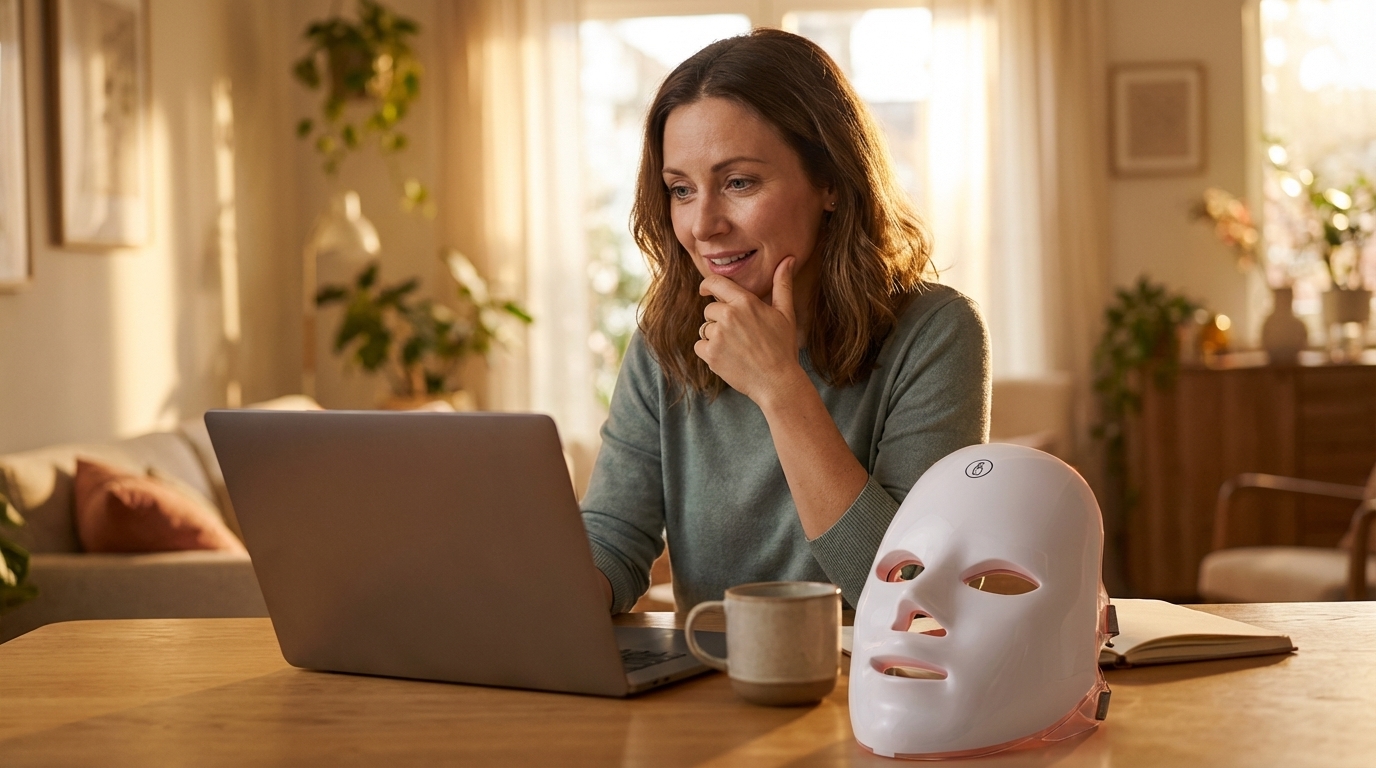
She committed to using it every night for 20 minutes while watching Netflix—red light for anti-aging, alternating with blue light twice a week for occasional hormonal breakouts. By day 12, her husband asked if she'd 'done something different.' By day 18, she took side-by-side photos and couldn't believe the difference: the deep lines around her eyes had softened noticeably, her skin texture looked refined, and she had a glow she hadn't seen in years.
At her reunion, three former classmates asked what 'work' she'd had done. When she told them it was a $200 LED mask she used at home, two of them ordered one that night.
Jennifer's story isn't unique. Here's what other women are reporting:
"I'm 52 and have been getting professional LED therapy at my dermatologist's office for two years at $450 per session. I was spending over $5,000 annually. My doctor actually recommended I try this at-home device and I was skeptical it would match clinical results. After 6 weeks of nightly use, my skin actually looks BETTER than when I was doing monthly clinic appointments—probably because I'm getting treatment 5-6 times per week instead of once per month. I've canceled all my appointments and saved thousands. The mask paid for itself after the first month."
"I bought this to help with hormonal acne and aging (I'm 38). I did NOT expect the dramatic results I got. The blue light cleared up my breakouts within 10 days—better than any prescription topical I'd tried. But the real shock was the anti-aging effect. The fine lines on my forehead that I've had since my early 30s have diminished by at least 50%. My skin is firmer, brighter, and people keep telling me I look 'rested.' I use it for 15 minutes every night and it's become my favorite self-care ritual. This is not an exaggeration: this device has changed my skin more than 10 years of expensive creams combined."
"I'm an esthetician and I was honestly skeptical of at-home LED devices because most of them are garbage—wrong wavelengths, insufficient power, poorly made. But this one is LEGIT. The build quality is medical-grade, the wavelength specificity is accurate (I tested it), and the power output is comparable to the $15,000 LED bed in my treatment room. I've been using it on myself for 3 months and the results are undeniable: improved elasticity, reduced pore size, and significant reduction in sun damage hyperpigmentation. I'm now recommending it to clients who can't afford regular professional treatments. It's the only at-home device I trust."
"I turn 60 next month and I've been fighting the aging battle for 15 years. I've tried everything—Botox, chemical peels, laser treatments, you name it. LED therapy was always recommended by my dermatologist but I couldn't justify the cost on top of everything else. This at-home mask has been a revelation. After 8 weeks of use (I do 20-minute sessions 5 nights a week), I've seen improvement in my neck texture (which has always been my biggest insecurity), reduction in the deep lines around my mouth, and overall skin firmness. Multiple friends have asked if I've had a facelift. I feel like I've finally found the maintenance solution I can actually afford and sustain long-term."
Why Thousands of Women Are Rushing to Secure Their Device Before Inventory Runs Out
Why the sudden surge? Three factors converged:
First, a prominent dermatologist posted a TikTok video explaining why she now recommends quality at-home LED devices over monthly clinic appointments for most patients. That video has been viewed over 8 million times.
Second, a major beauty magazine published clinical before-and-after photos from a 60-day user study, and the results were undeniable—measurable improvement in wrinkle depth, skin elasticity, and overall texture.
Third, women started doing the math: one device costing less than a single dermatologist appointment, providing unlimited treatments for years, versus $5,000-$8,000 annually in professional maintenance sessions. The economics are impossible to ignore.
The result? Inventory shortages. The manufacturer has increased production capacity by 300%, but demand is still outpacing supply. Recent customers report 2-4 week shipping delays as production facilities work to catch up.
If you've been frustrated by expensive creams that don't work, or you've been putting off professional LED therapy because of the cost, this is your opportunity to access the same medical-grade technology at a fraction of the lifetime expense.
Every device comes with a 180-day money-back guarantee. Use it for six months. If you don't see visible improvement in your skin—reduced fine lines, improved texture, more even tone—return it for a full refund. The company is betting that once you see results, you'll never go back to expensive creams or costly clinic appointments.
Thousands of women have already made the switch. The only question is: will you join them before the next inventory shortage?
🛡️ 180-Day Money-Back Guarantee: Use it for 6 months. If you don't see visible results, return it for a full refund. No questions asked.
Check Availability Now →